Converter
What is a Power Converter?
A power converter is an electrical circuit that converts electrical energy from one form into another to provide the voltage, current or frequency required by a load. Converters are used throughout modern electronics and power systems to regulate, transform and control electrical power efficiently.
Depending on the application, a converter may:
- Increase or decrease voltage
- Change AC to DC or DC to AC
- Reverse polarity
- Regulate current
- Provide electrical isolation
Converters are fundamental building blocks in power supplies, industrial systems and electronic devices.
Types of Power Converters
Power converters are generally divided into four main categories:
- AC to DC converters (rectifiers)
- DC to AC converters (inverters)
- DC to DC converters
- AC to AC converters (frequency changers or cycloconverters)
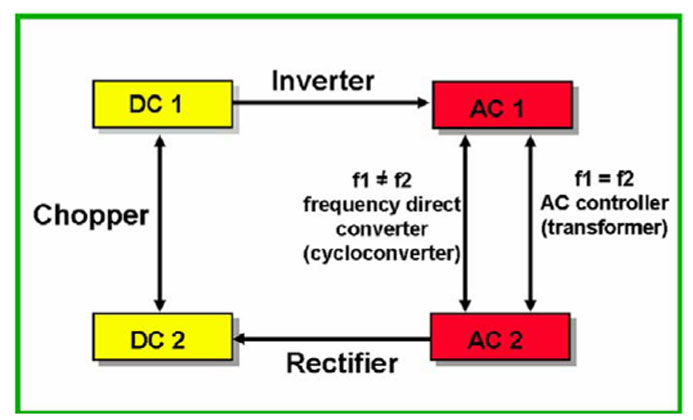
Figure 1: Power converter specifications
Each converter type is designed for a specific power conversion task.
How Power Converters Work
Modern converters use high-speed semiconductor switching devices together with inductors, capacitors and transformers to efficiently transfer energy.
Converters typically include:
- Switching devices such as MOSFETs or IGBTs
- Energy storage components like inductors and capacitors
- Control circuits using feedback and pulse width modulation (PWM)
By rapidly switching the input power, converters regulate and shape the output to the required level.
DC-DC Converter Topologies
The three most common non-isolated DC-DC converter topologies are:
- Buck converter for stepping voltage down
- Boost converter for stepping voltage up
- Buck-boost converter for both stepping up and down
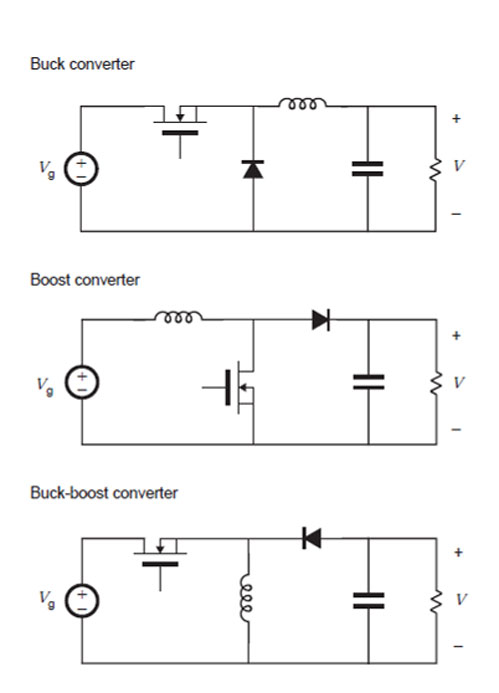
Figure 2: Non-isolated converter circuit arrangements
Isolated Converters
Isolated converters use transformers to provide:
- Electrical isolation
- Different voltage levels
- Multiple outputs
- Polarity inversion if required
Common isolated converter types include:
- Full bridge
- Half bridge
- Push-pull
- Forward converter
- Flyback converter
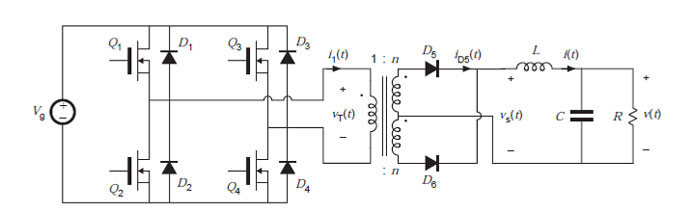
Figure 3: Full Bridge isolated buck converter
These designs are commonly used in higher-power systems.
Why High-Frequency Switching Is Used
Most modern converters operate at switching frequencies between 20 kHz and 200 kHz.
Higher switching frequencies allow:
- Smaller transformers and inductors
- Reduced physical size
- Improved efficiency
- Faster transient response
However, higher frequencies can also increase switching losses and electromagnetic interference (EMI).
Applications of Power Converters
Power converters are used in:
- AC-DC power supplies
- Industrial automation systems
- Telecommunications equipment
- Computer power supplies
- Electric vehicles and energy storage systems
- Motor drives and control systems
They are essential wherever electrical energy must be converted or regulated.
Converter Efficiency and Regulation
Converters use feedback control systems to maintain stable output voltage despite changes in:
- Input voltage
- Load current
- Operating conditions
Well-designed converters provide:
- High efficiency
- Stable regulation
- Reliable long-term operation
People Also Ask
What does a power converter do?
A power converter changes electrical energy from one form or voltage level to another to match the requirements of a specific load or system.
What are the main types of converters?
The four main types are AC-DC converters, DC-DC converters, DC-AC inverters and AC-AC converters.
What is the difference between a converter and an inverter?
A converter is a broad term for circuits that change electrical power, while an inverter specifically converts DC power into AC power.
What is a buck converter?
A buck converter is a DC-DC converter that reduces the input voltage to a lower output voltage.
Why do converters use high-frequency switching?
High-frequency switching improves efficiency and allows smaller transformers, inductors and capacitors to be used.
Speak to a technical expert!
Have a question or request? Click below to contact us, and our team will be happy to help.