Alternating Current
What is Alternating Current (AC)?
Alternating current (AC) is an electric current that periodically reverses direction. It is the most common form of electrical power used for generation, transmission and distribution worldwide.
In an AC system, voltage and current change direction continuously, producing alternating positive and negative values over time.
How Alternating Current Works
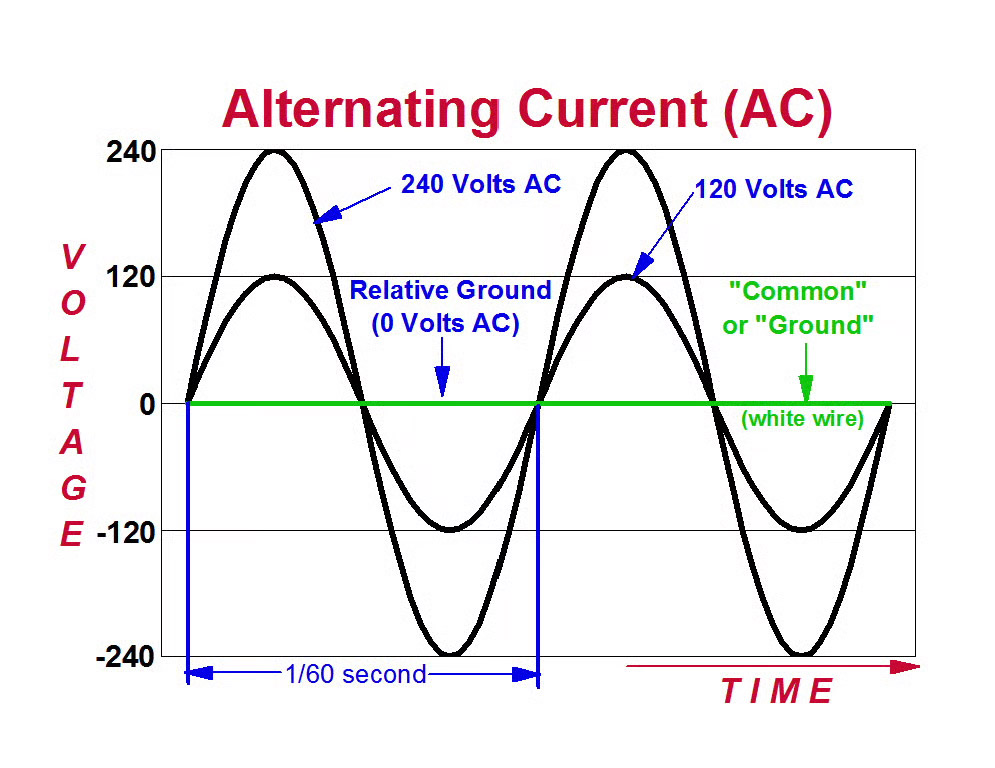
Alternating current typically follows a sine wave pattern. The voltage rises from zero to a positive peak, then falls back through zero into a negative peak before returning to zero again. This completes one full cycle.
This repeating waveform allows energy to be efficiently transmitted over long distances.
What Is Frequency in AC
The rate at which AC changes direction is called frequency, measured in hertz (Hz), or cycles per second.
Common standards include:
- 50 Hz used in most parts of the world
- 60 Hz used in the United States and some other regions
- 400 Hz used in specialised applications such as aerospace and military systems
Why Alternating Current Is Used
AC is the preferred method for power distribution because it can be easily transformed to different voltage levels. This allows:
- High voltage transmission to reduce energy losses
- Efficient long-distance power distribution
- Safe voltage levels for end users
Transformers can step voltage up for transmission and step it down for use in homes, offices and industrial systems.
How AC Is Generated
Alternating current is generated using rotating electrical machines such as turbines. Common energy sources include:
- Hydroelectric power
- Steam and gas turbines
- Diesel generators
- Wind energy
Some renewable sources such as solar generate direct current (DC), which must be converted to AC using an inverter before being supplied to the grid.
Where AC Is Used
AC power is used in:
- Domestic and commercial electrical systems
- Industrial machinery and equipment
- Power distribution networks
- Lighting and building systems
Typical voltage levels include:
- 110 to 120V in some regions
- 220 to 240V in most of the world
- 415V for industrial three-phase systems
AC vs Direct Current (DC)
Alternating current differs from direct current:
- AC changes direction periodically
- Direct current (DC) flows in one direction only
Most electronic devices require DC power, which is why AC is often converted using AC-DC power supplies.
AC Wiring Basics
AC systems typically use three conductors:
- Live (or hot) wire carries the electrical current
- Neutral provides the return path
- Earth (ground) provides safety by preventing electric shock
This configuration ensures safe and reliable operation.
People Also Ask
What is alternating current used for?
Alternating current is used for power distribution in homes, businesses and industrial systems because it can be transmitted efficiently over long distances and easily transformed to different voltage levels.
Why does AC current reverse direction?
AC reverses direction because it is generated by rotating machines such as turbines, which naturally produce a changing voltage waveform.
What is the difference between AC and DC?
AC changes direction periodically, while direct current flows in a single direction. Most electronic devices convert AC to DC using AC-DC power supplies.
Why is AC better for power transmission?
AC can be stepped up to high voltages using transformers, which reduces current and minimises power loss during transmission.
What frequency is AC power?
AC power typically operates at 50 Hz or 60 Hz depending on the region, meaning the current reverses direction 50 or 60 times per second.
Speak to a technical expert!
Have a question or request? Click below to contact us, and our team will be happy to help.